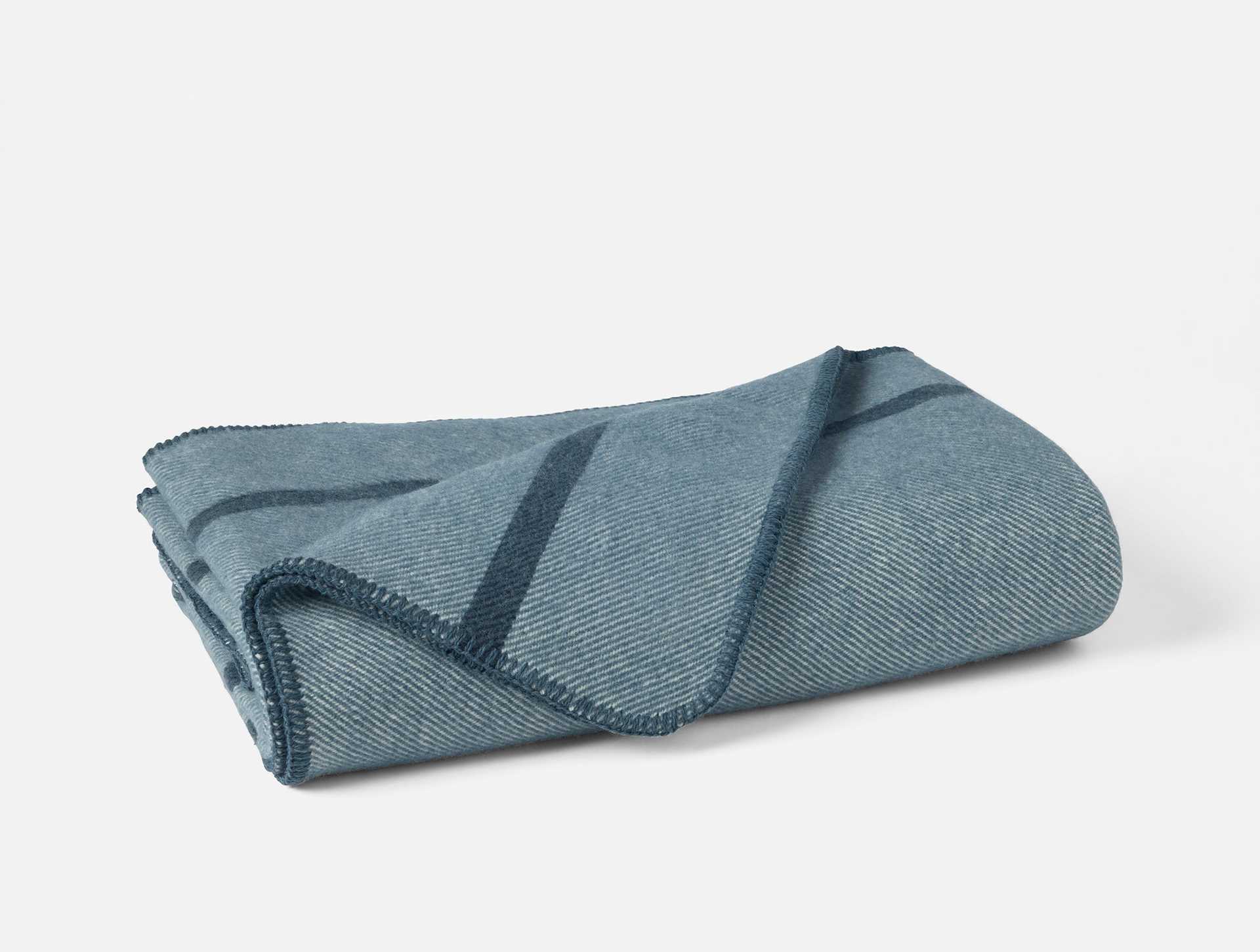
Key indicators of authentic cashmere
Cashmere is celebrated for its extraordinary softness, warmth, and a light, airy hand. When assessing a cardigan or sweater, seasoned connoisseurs consider a blend of fiber characteristics, weave quality, and finishing. The following indicators help separate premium cashmere from imitators, even in shelf-ready, mass-market pieces.
- Fiber fineness and length: True cashmere comes from the undercoat of Kashmiri goats and is exceptionally fine. Longer fiber lengths yield a resilient, less fuzz-prone fabric. Feel for a smooth, almost silken touch that isn’t slippery or waxy.
- Insulation-to-weight ratio: Cashmere offers remarkable warmth for its light weight. A high-quality piece will feel warm yet breathable, without bulk. If a sweater feels heavy for its warmth, it might indicate a blend or filler.
- Weave density and evenness: The fabric should drape uniformly with an even stitch. Irregularities, loose loops, or sudden puckering can signal lower-grade cashmere or a blend that compromises texture.
- Fiber purity and treatments: Look for minimal chemical finishes; premium cashmere is usually treated with gentle cleansing rather than heavy chemical processing. Reputable brands will disclose sourcing and processing practices in clear terms.
- Color and clarity: Real cashmere takes dye evenly. Uneven color, shade differences across the garment, or a waxy sheen may indicate finish treatments or blends.
In practice, luxury brands such as Sleep and Beyond and Coyuchi approach cashmere with an emphasis on ethical sourcing, fiber integrity, and mindful finishing. Their narratives remind us that authentic cashmere isn’t just a fabrication; it’s a story of origin, care, and responsible craftsmanship.
How to test cashmere at home (safe, discreet checks)
- Touch test: Run your fingers along the nap. Real cashmere should feel incredibly soft and almost plush, with a fine, silky surface. If the texture feels coarse or scratchy, it’s a red flag.
- Surface test: Lightly twist a small swatch between your fingers. Genuine cashmere will have a gentle springiness and a slight halo, while imitations may feel flatter or synthetic.
- Burn test (optional, if you have authentic swatches): A careful burn sample of cashmere burns slowly with a light, sweet odor and leaves a soft, ash-like residue. This test should be approached with caution and never on valuable garments; it’s best reserved for small, known swatches from trusted sources.
For most readers, however, the most reliable clues lie in provenance and craftsmanship. The brand's storytelling around origin and production practices, along with clear care labels, is often a stronger signal of authenticity than a price tag alone.
Ethics, origin, and craftsmanship
Cashmere’s luxury status is inseparable from its supply chain. The most trusted labels openly discuss where fibers come from, how goats are cared for, and the environmental footprint of processing. Coyuchi and Sleep and Beyond are often cited as exemplars for describing their sourcing ethics and the care they invest in the finishing stages. In a market crowded with quick-turn fashion, transparent sourcing builds trust and authority.
Historically, cashmere’s narrative is steeped in the rugged terrains of Kashmir and the high-altitude terraces where fine undercoats are harvested. Contemporary brands honor that heritage while integrating modern stewardship practices—reducing chemical use, ensuring fair labor, and adopting traceability across the supply chain. The result is knitwear that respects people, the animals, and the planet, without compromising on the exquisite softness that cashmere promises.
Three key figures who helped shape cashmere and knitwear
From fashion historians to fabric scientists, the following three individuals—from different eras—help illuminate how cashmere has evolved from a regional craft to a global luxury textile.
1) Shah Jahan (17th century textile patronage, India)
Though a figure of broader empire history, Shah Jahan’s era saw the rise of textile refinement and exchange across empires. While not a cashmere technologist per se, the era’s appetite for exquisite fabrics seeded cross-cultural textile knowledge that would later inform luxury knits. The idea of textiles as art and status remains relevant as we consider how knitwear became a symbol of refined taste in modern fashion.

2) Florence Nightingale (19th century healthcare, textile care advocacy)
A figure associated with meticulous care principles, Nightingale’s ethos translates beautifully into garment care: attention to cleanliness, correct laundering, and respect for fabrics. Her legacy reminds us that proper washing and storage protocols are essential to maintaining cashmere’s softness and longevity in a wardrobe that values longevity and responsibility.
3) A. J. Coy of Coyuchi (late 20th century to present, sustainable textiles)
Coyuchi’s leadership in organic and ethically sourced textiles embodies a modern benchmark for cashmere-integrated knitwear. The brand’s emphasis on sustainability, traceability, and natural fibers mirrors a contemporary understanding of luxury—where quality, ethics, and aesthetics converge to elevate everyday wear into a considered lifestyle.
Note: The three figures above illustrate how different decades and domains—patronage, care ethics, and sustainable production—converge in the modern perception of cashmere. In our Vogue-inspired analysis, these frames help readers appreciate the depth behind a simple cardigan or sweater: it’s the product of history, care, and conscious innovation.
Styling and care: keeping cashmere timeless
Beyond identification, the upkeep of cashmere is a ritual. Proper washing, gentle drying, and mindful storage keep fibers resilient against pilling and wear. A few editorially informed tips help ensure that a cashmere cardigan remains a staple for seasons to come.
- Washing approach: Hand wash in cool water with a pH-balanced detergent designed for delicates, or opt for a gentle cycle with a mesh bag if washing machine use is necessary. Avoid hot water and harsh detergents that can strip natural oils.
- Drying discipline: Do not wring. Press water gently with a clean towel and lay flat to dry, reshaping to original dimensions. Avoid hanging as it stretches fibers over time.
- Pilling prevention: Use a fine comb or cashmere brush to lift pills. Regular, light grooming helps maintain a smooth surface and a luxurious hand.
- Storage and rotation: Store clean cashmere folded, in breathable cotton bags, away from direct sunlight and moths. A well-ventilated rotation prevents overuse of a single piece and extends their life.
In the context of a design-forward wardrobe, cashmere knitwear pairs beautifully with natural textures—cotton, linen, and wool blends—while maintaining a refined, understated ambience. The Downtown Company Cable Knitted Throw, for instance, offers a tactile example of how knit structure contributes to a room’s mood, echoing the same principles of luxury and care you apply to your garments.