Wool comforters offer natural temperature regulation, moisture-wicking properties, and breathable warmth, making them a versatile choice for varying climates. This category explores the core characteristics of wool, including fiber structure, insulation efficiency, and the ways wool fibers trap air to maintain comfortable body temperature throughout the night.
In educational terms, wool comforters derive their exceptional performance from the scales and crimp of wool fibers, which create loft and resilience. This structure supports even distribution of warmth and reduces the likelihood of cold spots, while the material tendency to wick moisture helps maintain a dry, comfortable sleep environment without added synthetic coatings.
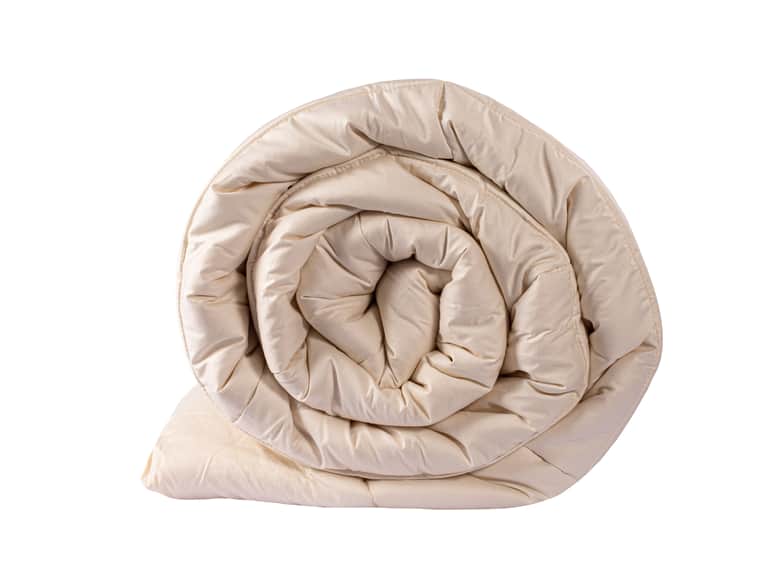
The Sleep and Beyond MyMerino Wool Comforter Light exemplifies a lightweight option that emphasizes breathability and year-round usability. Features such as fiber purity, hypoallergenic potential, and easy-care considerations demonstrate how high-quality wool balances warmth with a gentle, soft hand, suitable for sensitive skin and varied bedding setups.
Functional benefits of wool comforters extend to durability, resilience, and sustainability. Wool fibers naturally resist pilling and odors, recover from compression, and maintain loft after repeated use. These attributes contribute to long-term comfort, reduced need for frequent replacements, and alignment with eco-conscious bedding practices.
For bedding systems integrating wool, key keywords include bedding, pillows, comforters, down comforters, and wool comforters, reflecting broader categories while focusing on the specific comfort and thermal performance of wool. Understanding fiber provenance, care guidelines, and layering considerations helps users select appropriate warmth levels for night-after-night use.
 Bedding