Comforters provide a versatile layer for temperature regulation and restful sleep, combining warmth with lightweight breathability. In the realm of bedding, these essential components help maintain an even microclimate through varying seasons. Key features to consider include fill material, weight category, thread count or fabric weave, and edge finish for durability and aesthetic consistency.
Cashmere, merino wool, and other natural fibers in comforters offer exceptional softness, insulating properties, and humidity management. A well-chosen comforter can trap enough warmth without oversizing heat, supporting a balanced sleep environment. Look for fiber composition, fill power, and loft to evaluate warmth ratings and moisture-wicking performance.
Within this category, products like the Sleep and Beyond myMerino Wool Comforter Light emphasize breathable warmth suitable for moderate climates, while still maintaining plush comfort. Cardigan Duvet demonstrates versatility with a design that integrates snug insulation and a refined cover, promoting ease of care and long-term resilience in daily use.
Understanding uses of comforters involves recognizing how they interact with other bedding layers, such as sheets, blankets, and duvet covers. Proper care, including regular washing guidelines and correct drying methods, preserves loft, fiber integrity, and insulation properties over time, ensuring consistent comfort across seasons.
Keywords such as bedding, pillows, comforters, down comforters, and wool comforters reflect the broader context of sleep textiles and integral components of a well-rounded bed setup. By examining fiber types, fill weights, and construction details, one gains insight into how comforters contribute to thermal comfort, durability, and overall sleep quality.
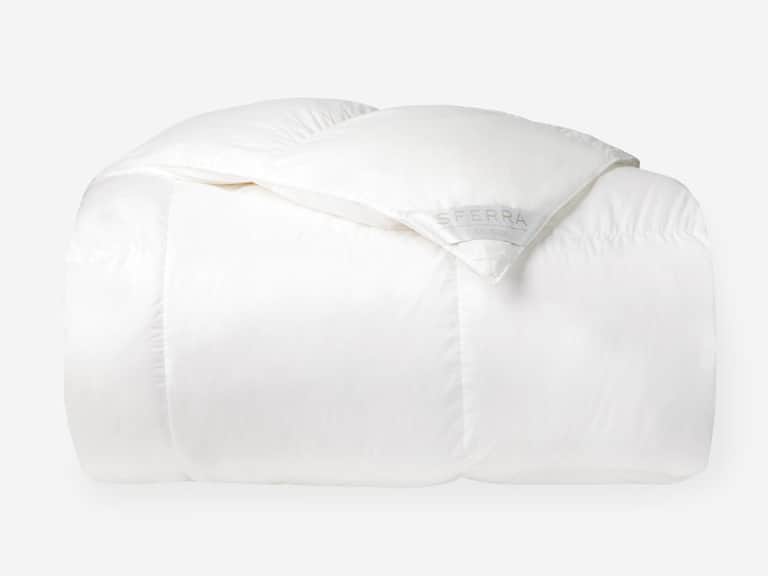 Bedding